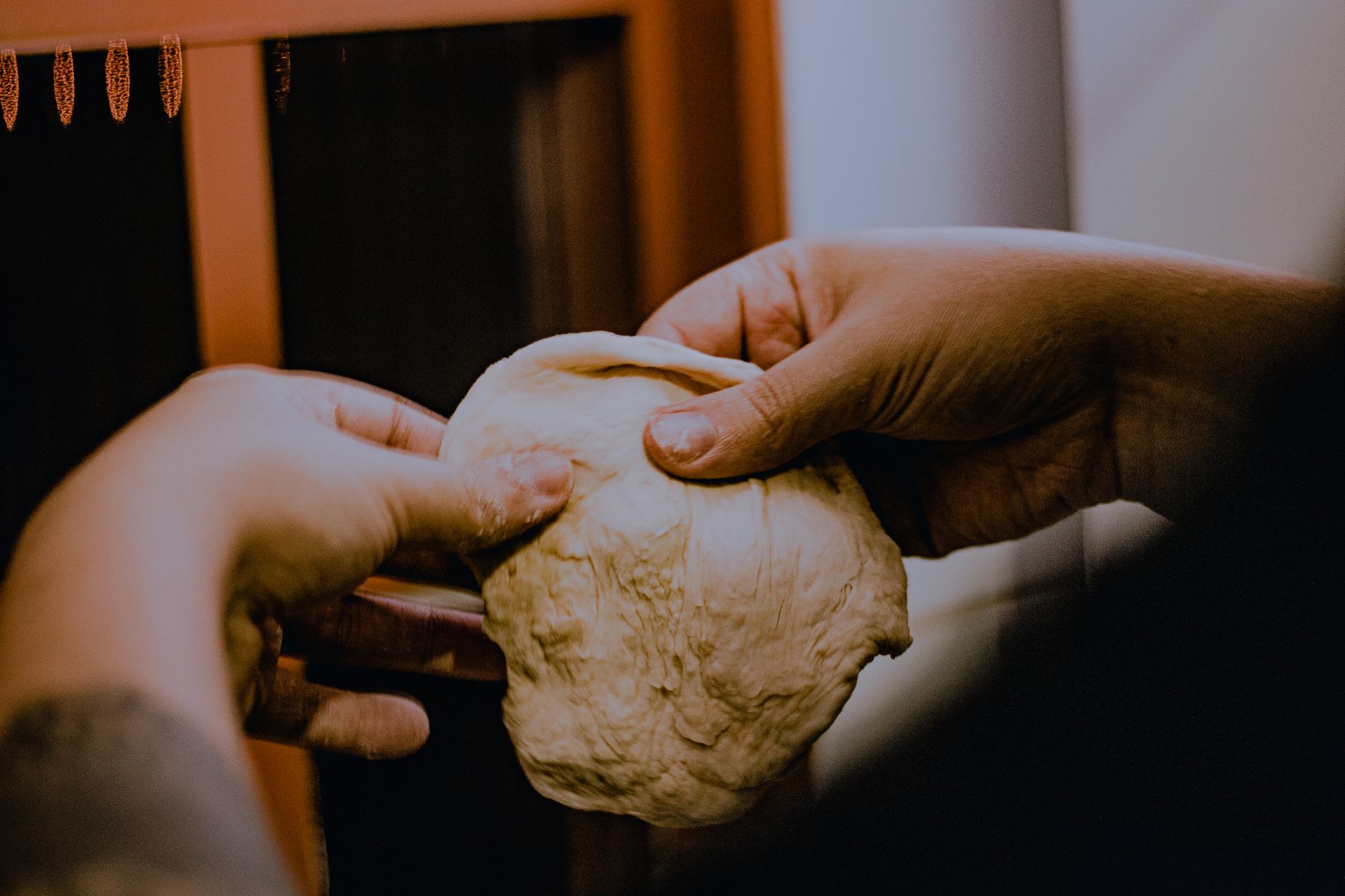
The short answer: fermentation time is not a magic number. It is the result of time, temperature, yeast activity, flour, hydration, and the flavor and handling qualities you want.
I like long fermentation because it gives dough time to develop flavor and because a well-fermented dough can become easier and more enjoyable to stretch. But “longer” is not automatically “better.”
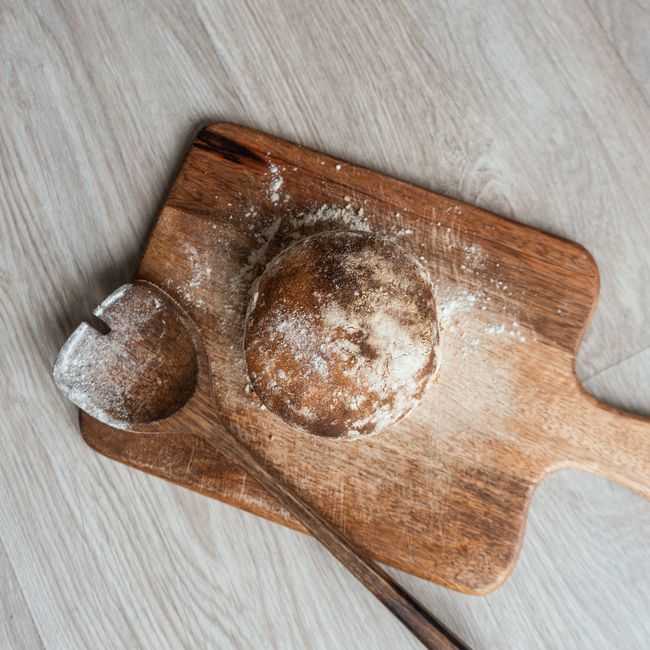
Time and temperature work together
A dough left warm develops much faster than the same dough refrigerated.
That means a 24-hour dough can behave completely differently depending on where those 24 hours happened.
Cold fermentation gives you control
Refrigeration slows the process down. That creates a bigger working window and lets flavor develop without the dough racing past the point where I want to use it.
For home cooks, that predictability is one of the biggest advantages.
Watch the dough, not only the clock
I care about whether the dough has gained volume, whether the gluten still has enough strength, how it feels when handled, and whether it stretches without fighting me or collapsing.
A recipe time is a starting point. Your refrigerator, room temperature, flour, and yeast all have opinions.
Too little fermentation has a feel
Under-fermented dough can be tight, resistant, and comparatively bland. It often wants to spring back when you stretch it.
Too much fermentation has a feel too
Push fermentation too far and the dough can become overly gassy, fragile, sticky, and difficult to launch cleanly.
My favorite way to learn
Make one dough. Divide it into several balls. Bake them at different points in the fermentation cycle.
That experiment teaches more than memorizing somebody else's ideal number of hours.
The goal is not to obey a fermentation schedule. It is to learn what properly fermented dough looks and feels like in your kitchen.