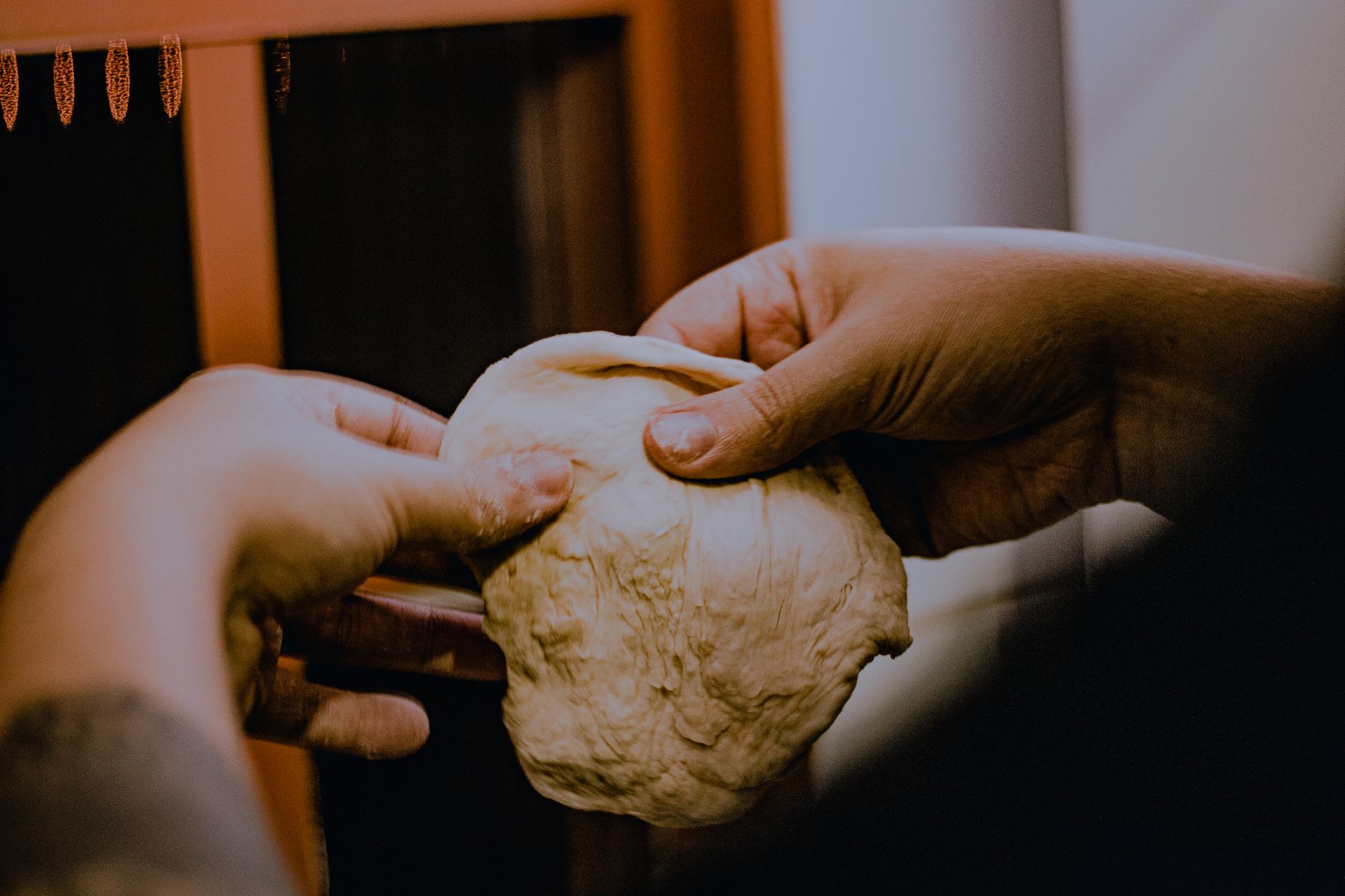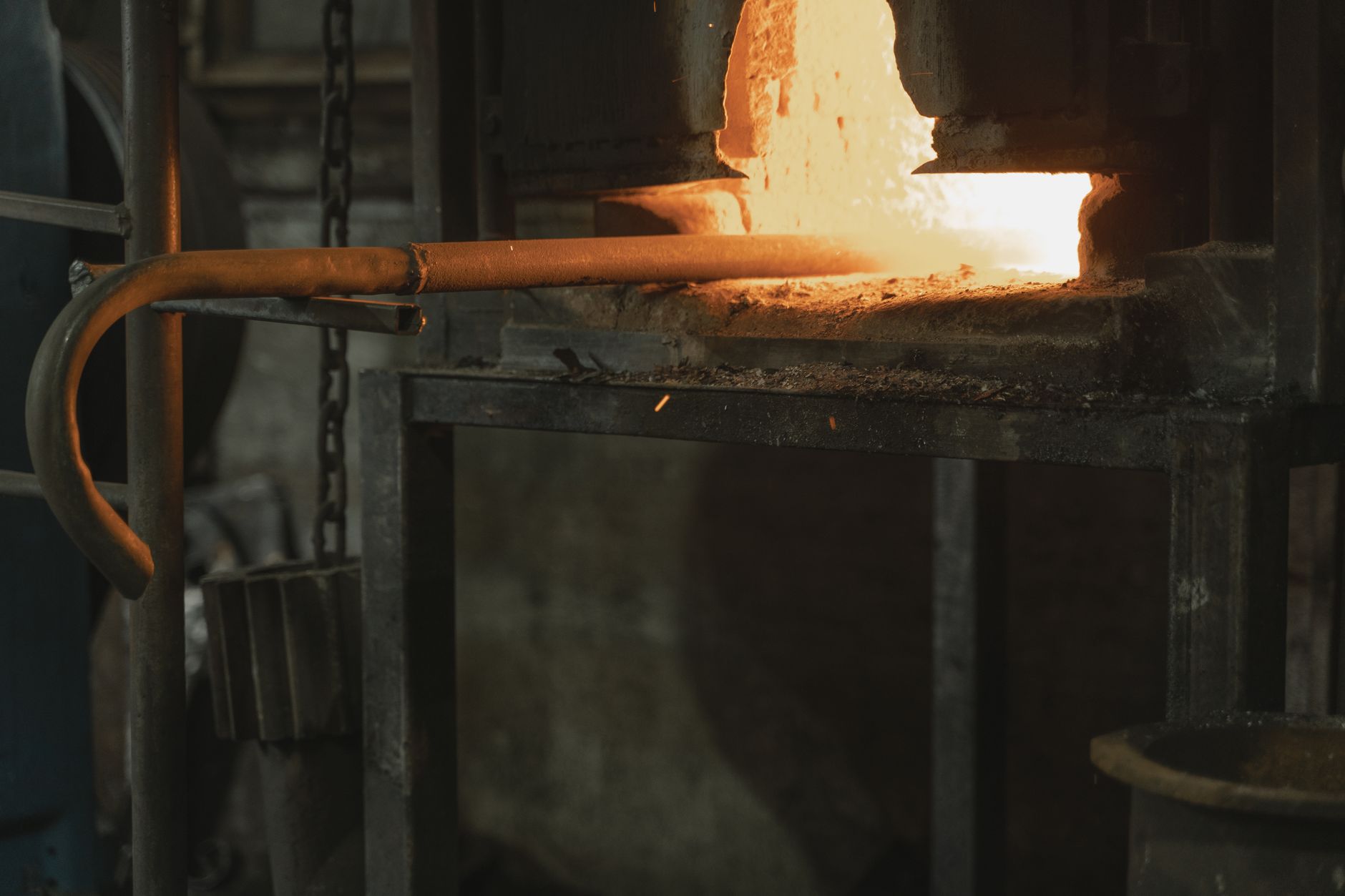
A pizza steel works because it can transfer heat into dough much more aggressively than a typical ceramic baking stone.
That one idea is what started Baking Steel for me.

The problem I was trying to solve
Restaurant pizza ovens cook differently from ordinary home ovens. One of the biggest differences is what happens at the floor of the oven.
At home, you need a baking surface that can help close that gap.
Steel transfers heat quickly
When raw dough lands on a hot surface, heat flows into it. Steel conducts heat far more readily than common ceramic stone materials, so the bottom of the pizza begins cooking aggressively right away.
That faster transfer is why steel can create stronger browning and oven spring at temperatures a home oven can actually reach.
Thickness changes behavior
A thicker steel has more mass. More mass means more stored energy, but it also means more weight and a longer preheat.
Product design is always a tradeoff. “More” of one property usually costs you somewhere else.
Preheating is part of the tool
A steel that has not fully heated is just a heavy shelf.
I give the oven and steel enough time to come into equilibrium before judging the bake.
Steel does not fix every pizza problem
It will not rescue badly fermented dough, overloaded toppings, poor shaping, or a pizza that sticks to the peel.
What it does is give the home cook a much stronger heat source under the pizza.
Once that variable is reliable, everything else becomes easier to diagnose.